November 5, 2023
Table of Contents
Why I Built This Framework
Balancing engineering leadership, a homelab, trading, continuous certifications, and family life forced me to get serious about productivity. I tried dozens of approaches over the years - GTD, Bullet Journal, various apps - before distilling what actually worked into three letters: Goal, Priority, Schedule.

The GPS framework is not a rigid system. It is a compass - a way to maintain clarity and direction when life gets noisy.
flowchart TD
    G[G: Goal] --> P[P: Priority]
    P --> S[S: Schedule]
    S --> A[Action & Review]
    A -->|Iterate| G
G - Goal: Define Where You Are Going
Without clear goals, productivity is just busy-ness. The Goal phase ensures every action connects to something meaningful.
Three Techniques That Work
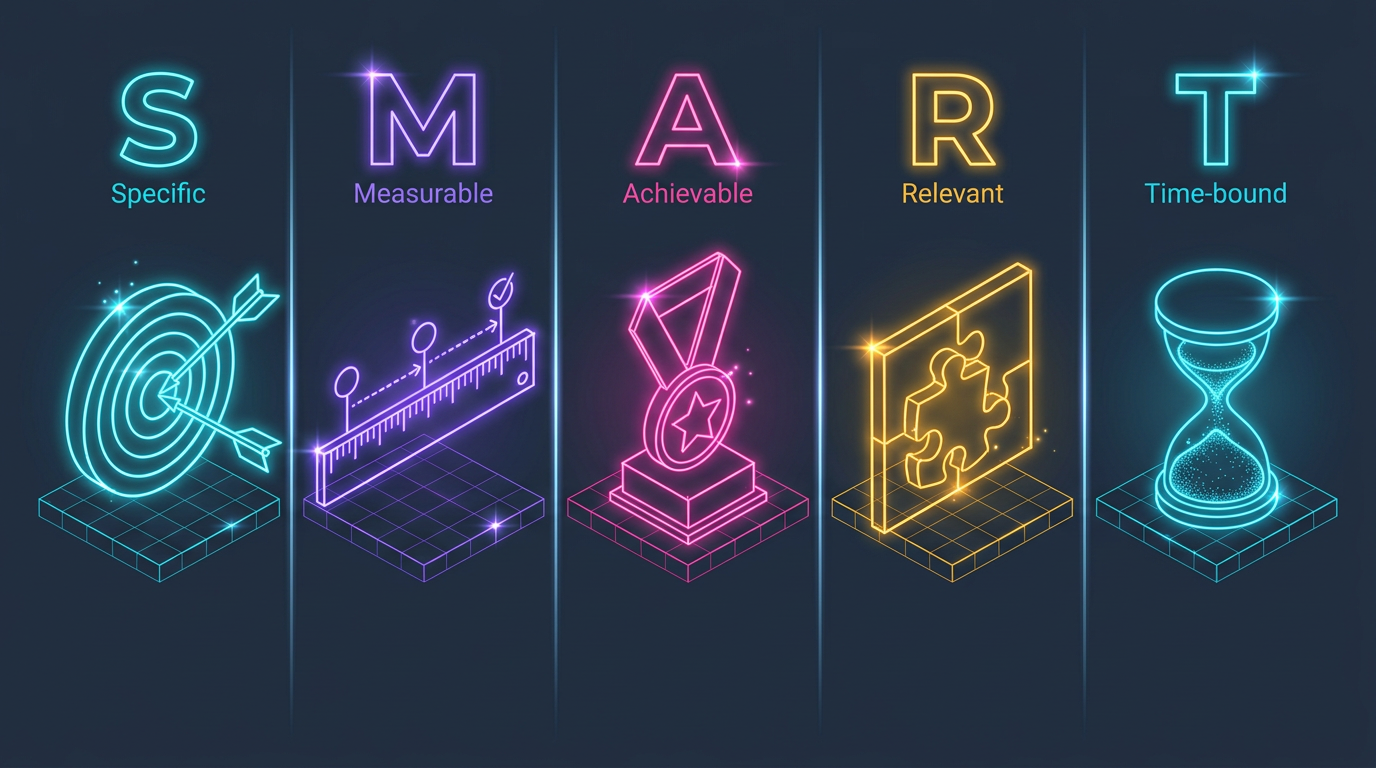
SMART Goals - Specific, Measurable, Achievable, Relevant, Time-bound. I use this for professional goals like certifications and project milestones. The key is making goals falsifiable - you should be able to clearly tell whether you achieved them or not.
Vision Boards - Visual representations of your goals. I keep a simple Notion page with my annual objectives. Seeing them daily keeps them front of mind.
Goal Journaling - Regular reflection on progress. Weekly reviews work well for me - five minutes every Sunday to assess what moved forward and what stalled.
P - Priority: Choose What Matters Most
Having goals is necessary but not sufficient. The Priority phase ensures you are spending time on what actually moves the needle.
Three Prioritisation Tools
Eisenhower Matrix - Classify tasks by urgency and importance. This single framework eliminated most of my reactive behaviour.
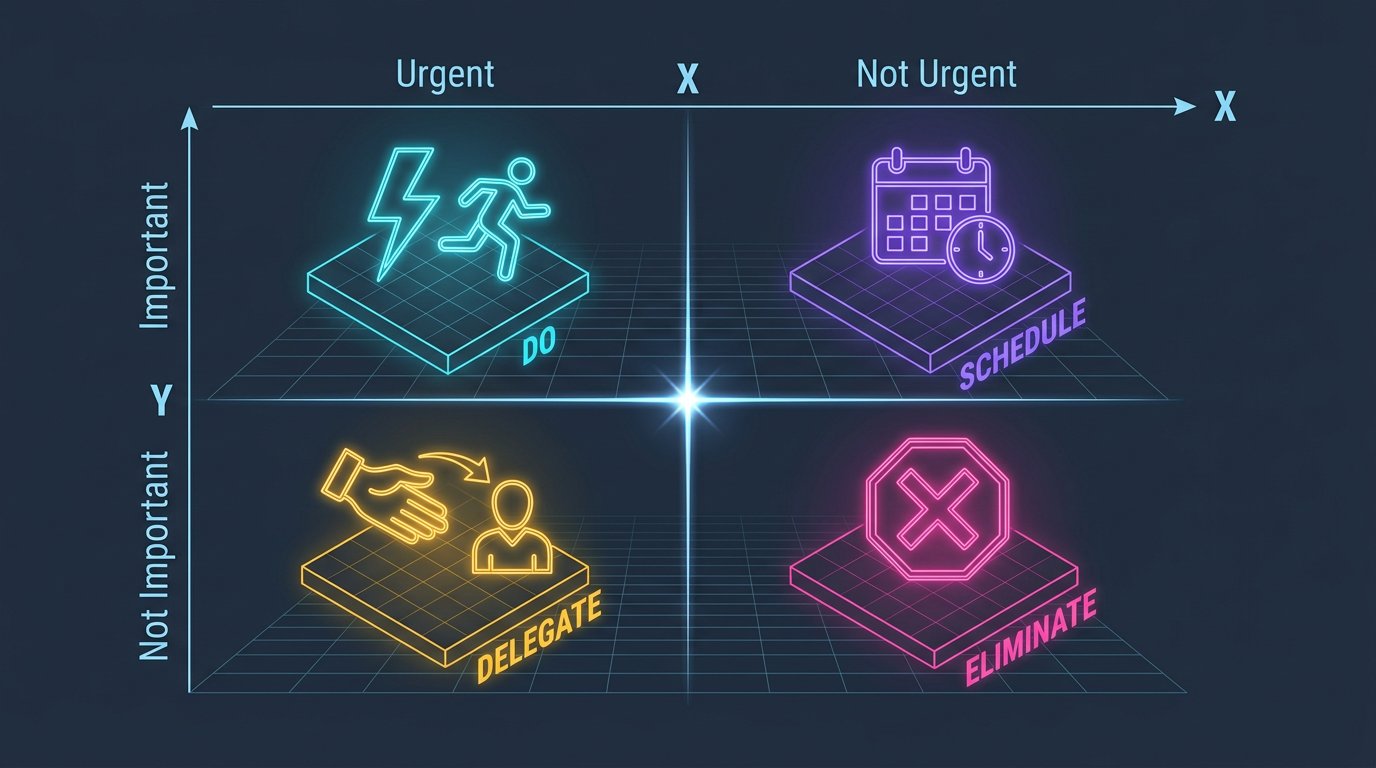
| Quadrant | Action | Example |
|---|---|---|
| Urgent + Important | Do it now | Production incident, deadline today |
| Important + Not Urgent | Schedule it | Learning, exercise, architecture work |
| Urgent + Not Important | Delegate it | Most emails, routine approvals |
| Neither | Eliminate it | Social media scrolling, unnecessary meetings |
The trap most people fall into is spending all their time in Quadrant 1 (urgent + important) and neglecting Quadrant 2 (important + not urgent). Quadrant 2 is where career growth, health, and strategic thinking live.
Pareto Principle (80/20 Rule) - Identify the 20% of tasks that drive 80% of results. In practice, I review my task list and ask: “If I could only do three things today, which three would create the most value?”
Ivy Lee Method - At the end of each day, list the six most important things for tomorrow. Start with number one and do not move to number two until it is done. Simple, but remarkably effective at preventing overwhelm.
S - Schedule: Convert Plans to Actions
Goals and priorities mean nothing without execution. The Schedule phase transforms your prioritized list into committed time blocks.
Four Scheduling Techniques
Time Blocking - Allocate specific time slots for each task. I block deep work (coding, writing) in the morning and meetings in the afternoon.
Pomodoro Technique - Work in 25-minute focused cycles, then take a 5-minute break. After four cycles, take a 30-minute break. I use this for tasks I tend to procrastinate on - the timer creates just enough urgency to start.
Two-Minute Rule - If a task takes less than two minutes, do it immediately. This prevents small tasks from accumulating into a paralysing backlog.
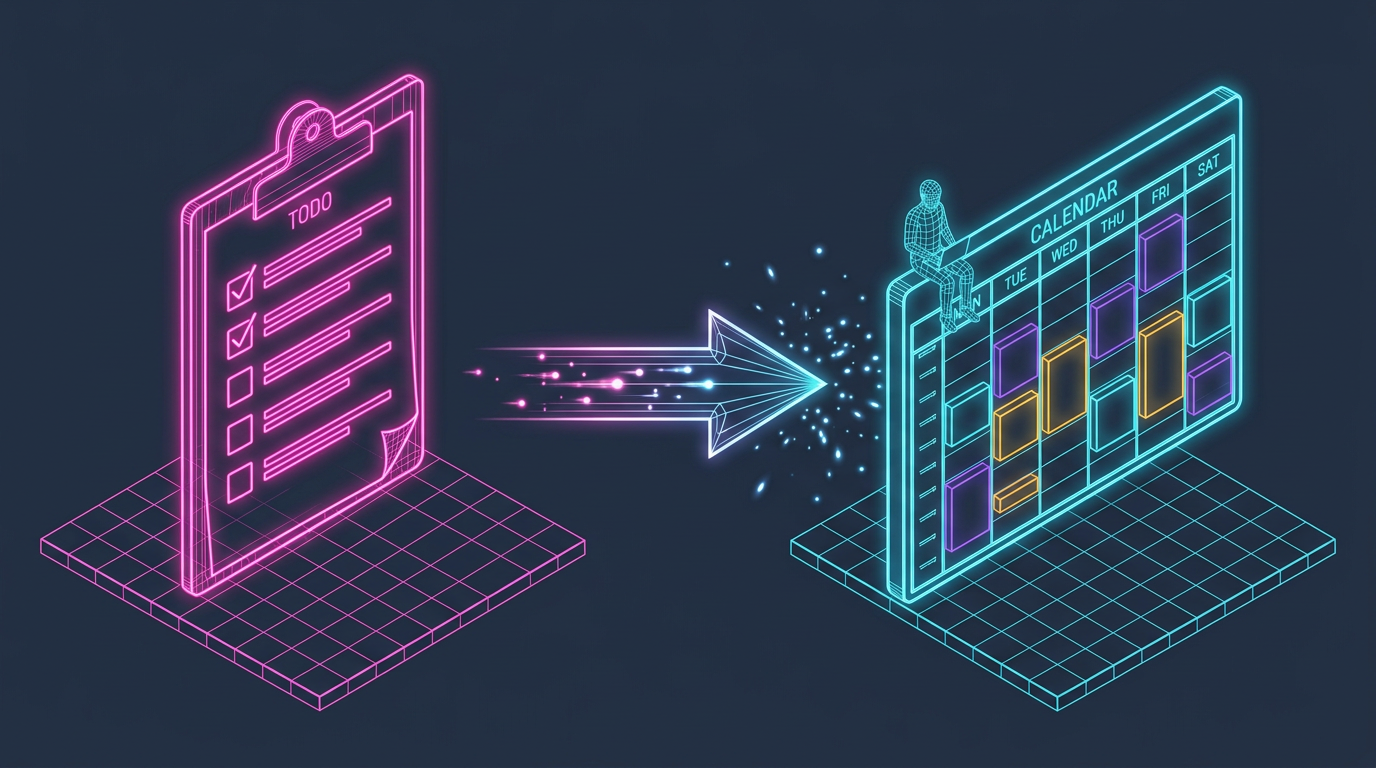
Calendar Visualisation - Block tasks directly into your calendar. This forces realistic time estimation, reveals overlaps, and makes your plan concrete rather than aspirational.
Making GPS Work for You
The framework is intentionally simple because complex systems get abandoned. Here is how I recommend starting:
- Sunday evening: Set or review 2-3 goals for the week (G)
- Each evening: Identify tomorrow’s top 3 priorities using the Eisenhower Matrix (P)
- Each morning: Block those priorities into your calendar (S)
- Friday afternoon: Review what worked and what did not - iterate
The GPS framework has helped me maintain a sustainable pace across engineering leadership, continuous learning, and personal life. It is not about doing more - it is about doing what matters, consistently.
Share :
You May Also Like
Scaled Agile Framework
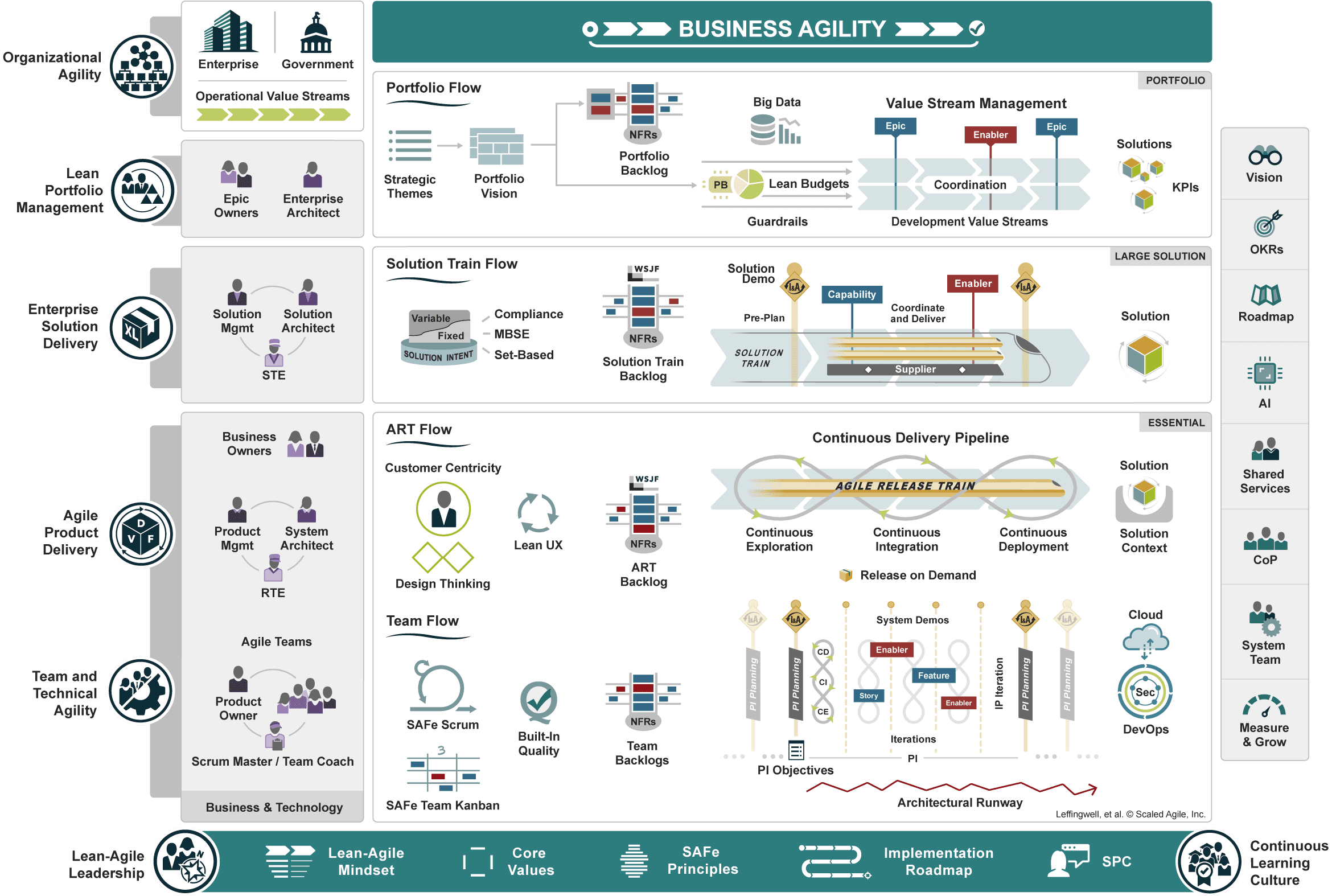
I am not SAFe-certified. However, as an Agile enthusiast who has scaled engineering teams and delivered complex products, I have studied SAFe extensively and found it to be the most comprehensive …
Read More
Tech Debt: From a Technical Jargon to Real-World Impacts
What Started This I recently gave a presentation at my company about tech debt - sharing knowledge, techniques, and experiences on how to manage it properly and efficiently. The response convinced me …
Read More