I used to be the person with 47 browser tabs open, three half-finished courses, a Jira backlog that kept growing, and a vague sense that I was busy but not productive. Sound familiar? Balancing engineering leadership, a homelab, crypto trading, continuous certifications, and family life meant something had to change. I tried dozens of approaches - GTD, Bullet Journal, various apps - before distilling what actually worked into a simplified GPS Framework for impacts and productivity.


The GPS framework is not a rigid system. It is a compass - a way to maintain clarity and direction when life gets noisy. Research from the American Psychological Association shows that specific, challenging goals consistently produce higher performance than vague intentions. GPS builds on that foundation with a practical three-step loop.
flowchart TD
    G[G: Goal] --> P[P: Priority]
    P --> S[S: Schedule]
    S --> A[Action & Review]
    A -->|Iterate| G
Why Do Most Productivity Systems Fail?
Before diving into GPS, it is worth asking why so many productivity systems get abandoned. The answer is almost always complexity. Systems that require daily journaling and weekly reviews and monthly recalibrations and a specific app create friction that eventually kills adoption. According to a study published in the European Journal of Social Psychology, forming a new habit takes an average of 66 days - but only if the habit is simple enough to repeat consistently. GPS is intentionally minimal: three steps, three questions, iterable weekly.
How Does the Goal Phase Work?
Without clear goals, productivity is just busy-ness. The Goal phase ensures every action connects to something meaningful.
SMART Goals - Specific, Measurable, Achievable, Relevant, Time-bound. I use this for professional goals like certifications and project milestones. The key is making goals falsifiable - you should be able to clearly tell whether you achieved them or not.
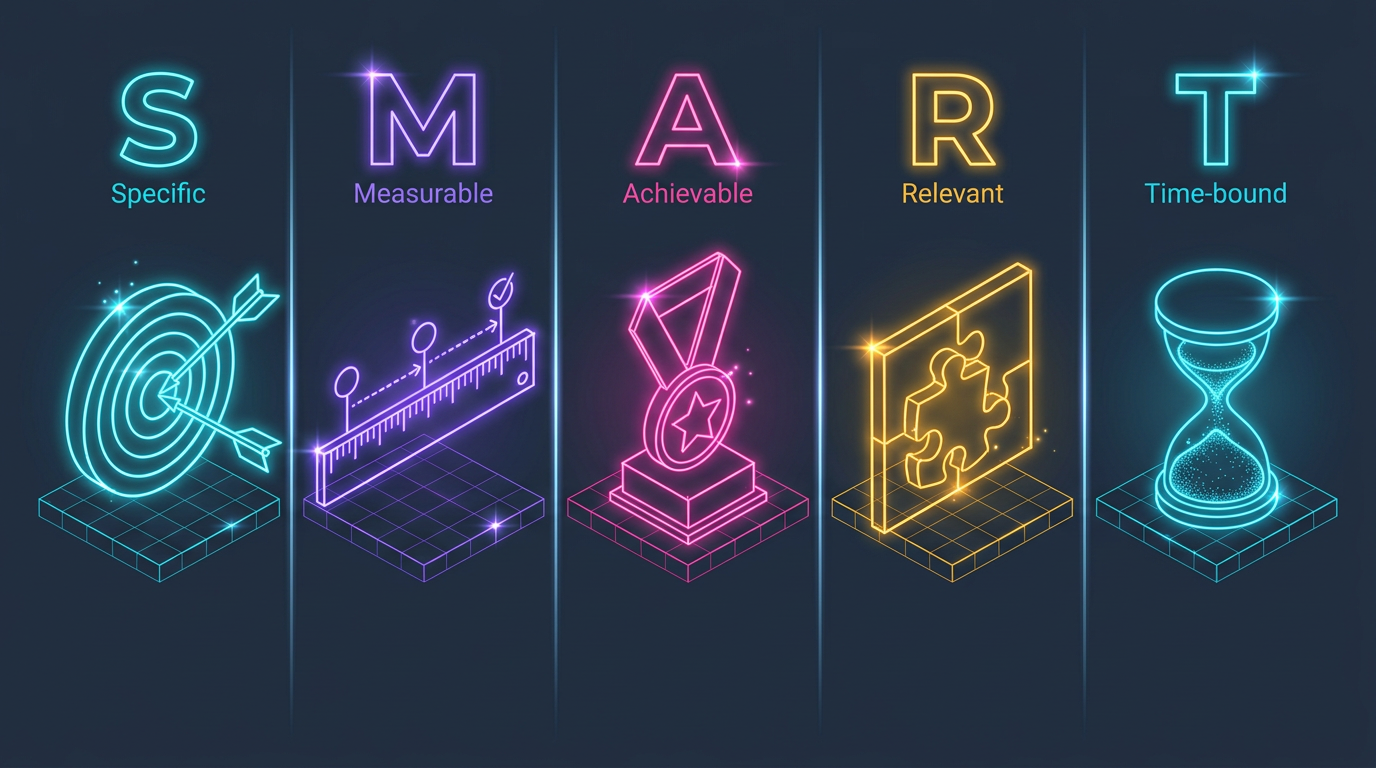
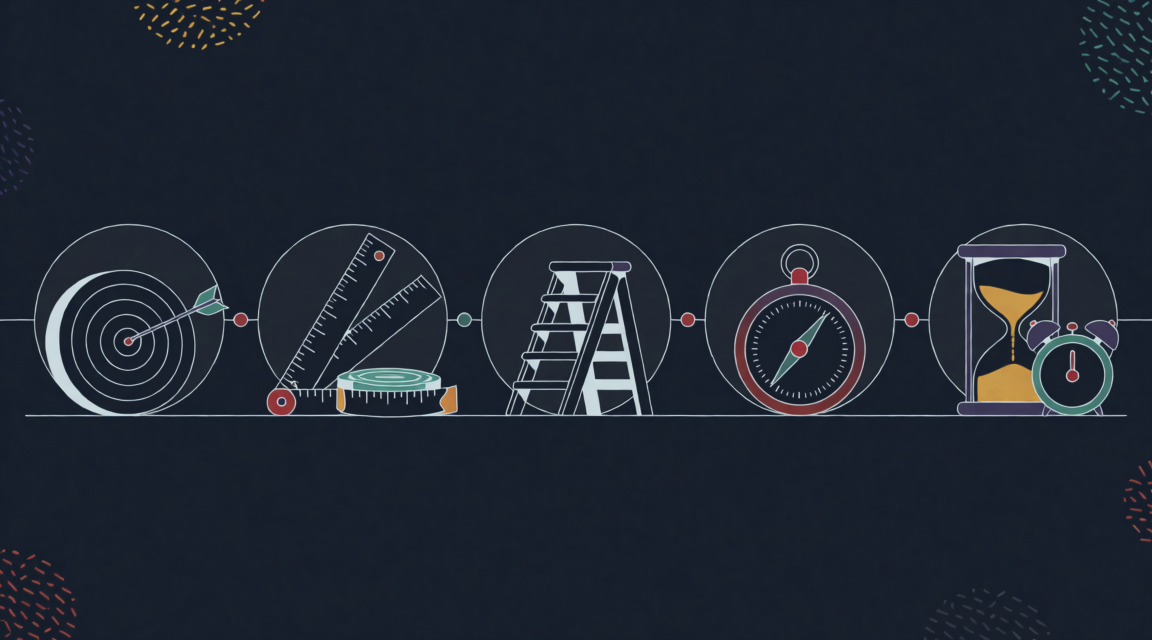
| Technique | What It Does | When I Use It |
|---|---|---|
| SMART Goals | Makes goals concrete and testable | Professional milestones, certifications |
| Vision Boards | Keeps long-term direction visible daily | Annual objectives (I use a simple Notion page) |
| Goal Journaling | Surfaces what’s moving and what’s stuck | Weekly Sunday reviews, 5 minutes |
The most common mistake with goal-setting is making goals aspirational but unfalsifiable. “Get better at system design” is not a goal. “Complete the AWS Solutions Architect certification by Q3” is. But even clear goals are useless without ruthless prioritisation - which is where most people get stuck.
How Do You Decide What Actually Matters?
Having goals is necessary but not sufficient. The Priority phase ensures you are spending time on what actually moves the needle.
Eisenhower Matrix - This single framework eliminated most of my reactive behaviour.
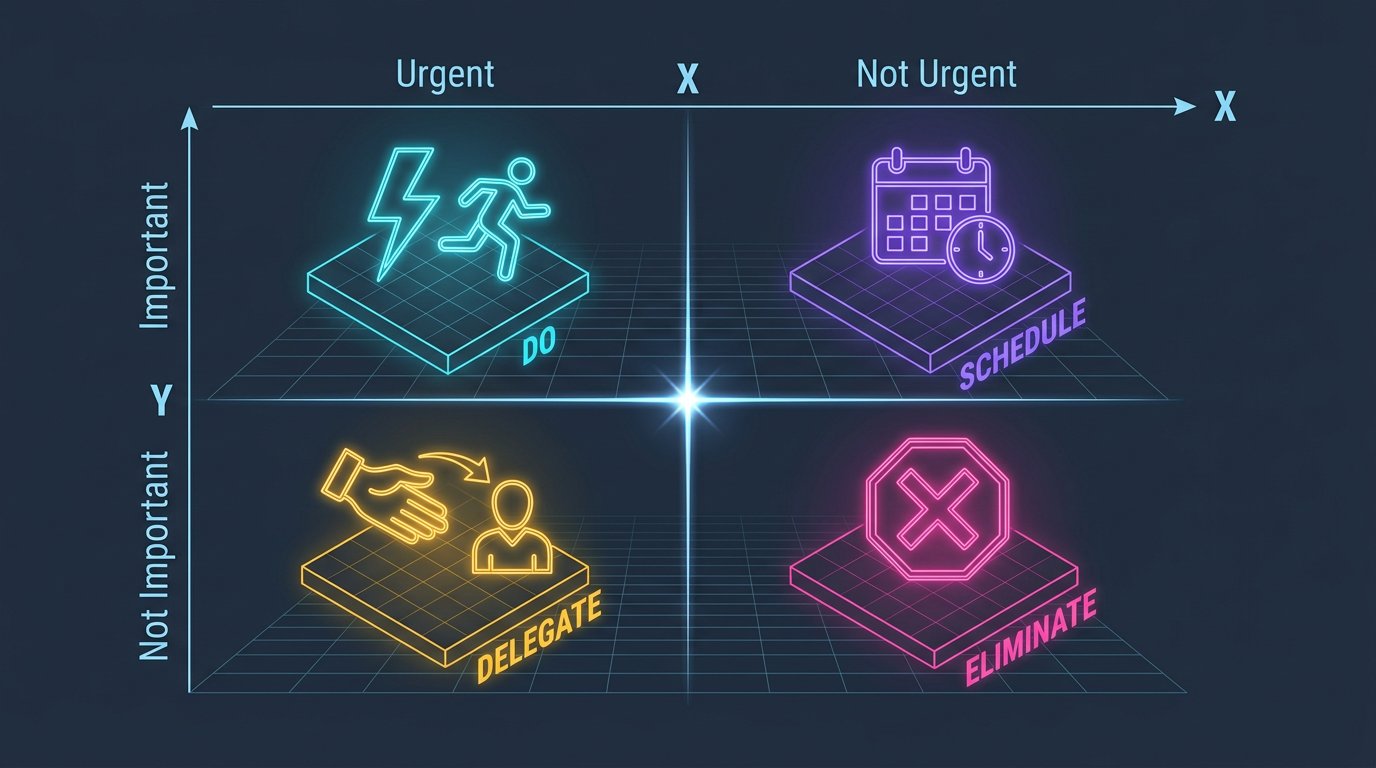

| Quadrant | Action | Example |
|---|---|---|
| Urgent + Important | Do it now | Production incident, deadline today |
| Important + Not Urgent | Schedule it | Learning, exercise, architecture work |
| Urgent + Not Important | Delegate it | Most emails, routine approvals |
| Neither | Eliminate it | Social media scrolling, unnecessary meetings |
The trap most people fall into is spending all their time in Quadrant 1 (urgent + important) and neglecting Quadrant 2 (important + not urgent). Quadrant 2 is where career growth, health, and strategic thinking live. Stephen Covey’s research showed that effective people spend disproportionately more time in Quadrant 2.
Pareto Principle (80/20 Rule) - In practice, I review my task list and ask: “If I could only do three things today, which three would create the most value?” That question alone filters out most noise.
Ivy Lee Method - At the end of each day, list the six most important things for tomorrow. Start with number one and do not move to number two until it is done. Simple, but remarkably effective at preventing overwhelm. Priorities without time slots, though, remain intentions. That is where scheduling closes the loop.
How Do You Actually Execute the Plan?
Goals and priorities mean nothing without execution. The Schedule phase transforms your prioritized list into committed time blocks.
| Technique | How It Works | Best For |
|---|---|---|
| Time Blocking | Allocate specific slots - deep work mornings, meetings afternoons | Protecting focus time |
| Pomodoro Technique | 25-min focused cycles, 5-min breaks, 30-min break after 4 cycles | Tasks you tend to procrastinate on |
| Two-Minute Rule | If it takes under 2 minutes, do it immediately | Preventing small-task accumulation |
| Calendar Visualisation | Block tasks directly into calendar | Forcing realistic time estimates |
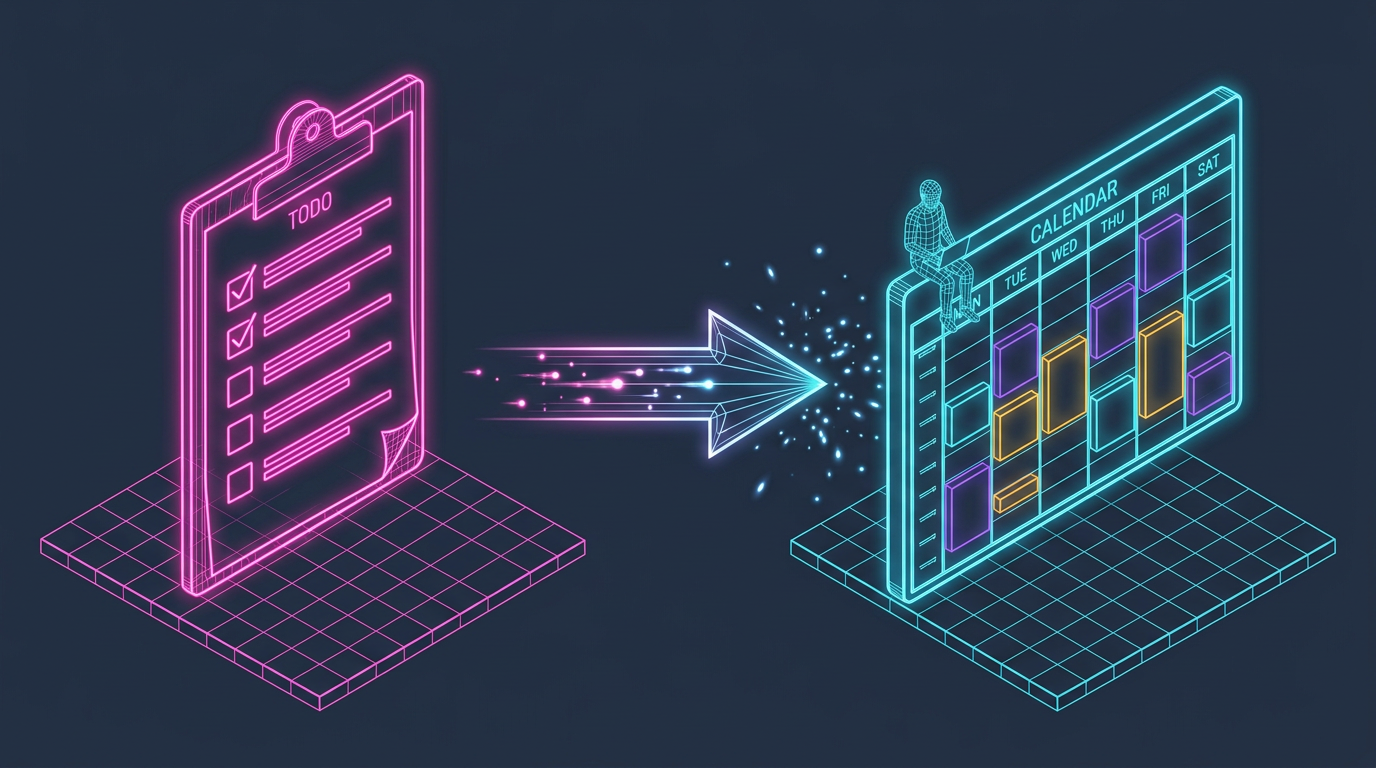
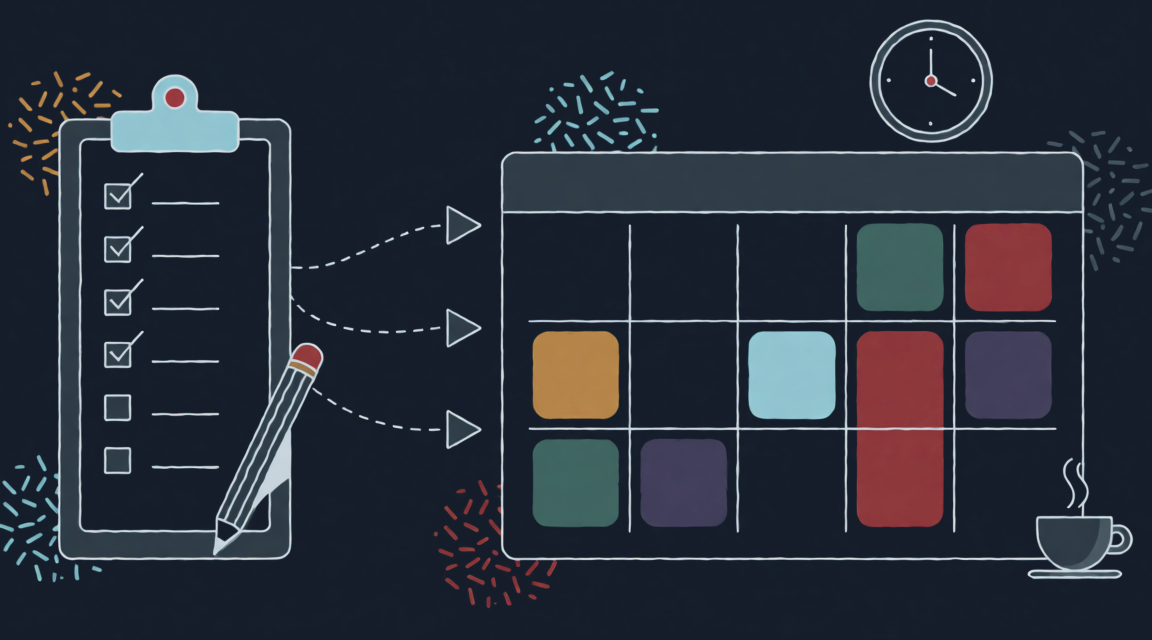
The key insight is that a to-do list is not a plan. A calendar block is. When a task has a specific time slot, it moves from “I should do this” to “I will do this at 9am.” That psychological shift is surprisingly powerful.
How Do You Put GPS Into Practice?
The framework is intentionally simple because complex systems get abandoned:
- Sunday evening: Set or review 2-3 goals for the week (G)
- Each evening: Identify tomorrow’s top 3 priorities using the Eisenhower Matrix (P)
- Each morning: Block those priorities into your calendar (S)
- Friday afternoon: Review what worked and what did not - iterate
Key Takeaways
- Complexity kills adoption. GPS works because it is three steps, not thirty. Start minimal and add only what you need.
- Goals must be falsifiable. If you cannot clearly tell whether you achieved a goal, it is not specific enough.
- Quadrant 2 is where growth lives. The important-but-not-urgent work (learning, health, strategic thinking) is what differentiates your career trajectory.
- A calendar block beats a to-do item. Tasks without scheduled time remain aspirations.
- Weekly iteration is non-negotiable. The Sunday review catches drift before it becomes a pattern.
A quick experiment: this Sunday evening, write down your top 3 goals for the week. Monday morning, pick the single most important task and block 90 minutes for it in your calendar before anything else. Do that for one week. If it works, you have just experienced the core GPS loop - everything else is refinement.
You May Also Like


The Modern Leader
There’s a pattern I’ve seen play out more than once. A team ships a big release, leadership celebrates, and within weeks the strongest engineers start disengaging. They become quieter in …
Read More: The Modern Leader
Scaled Agile Framework
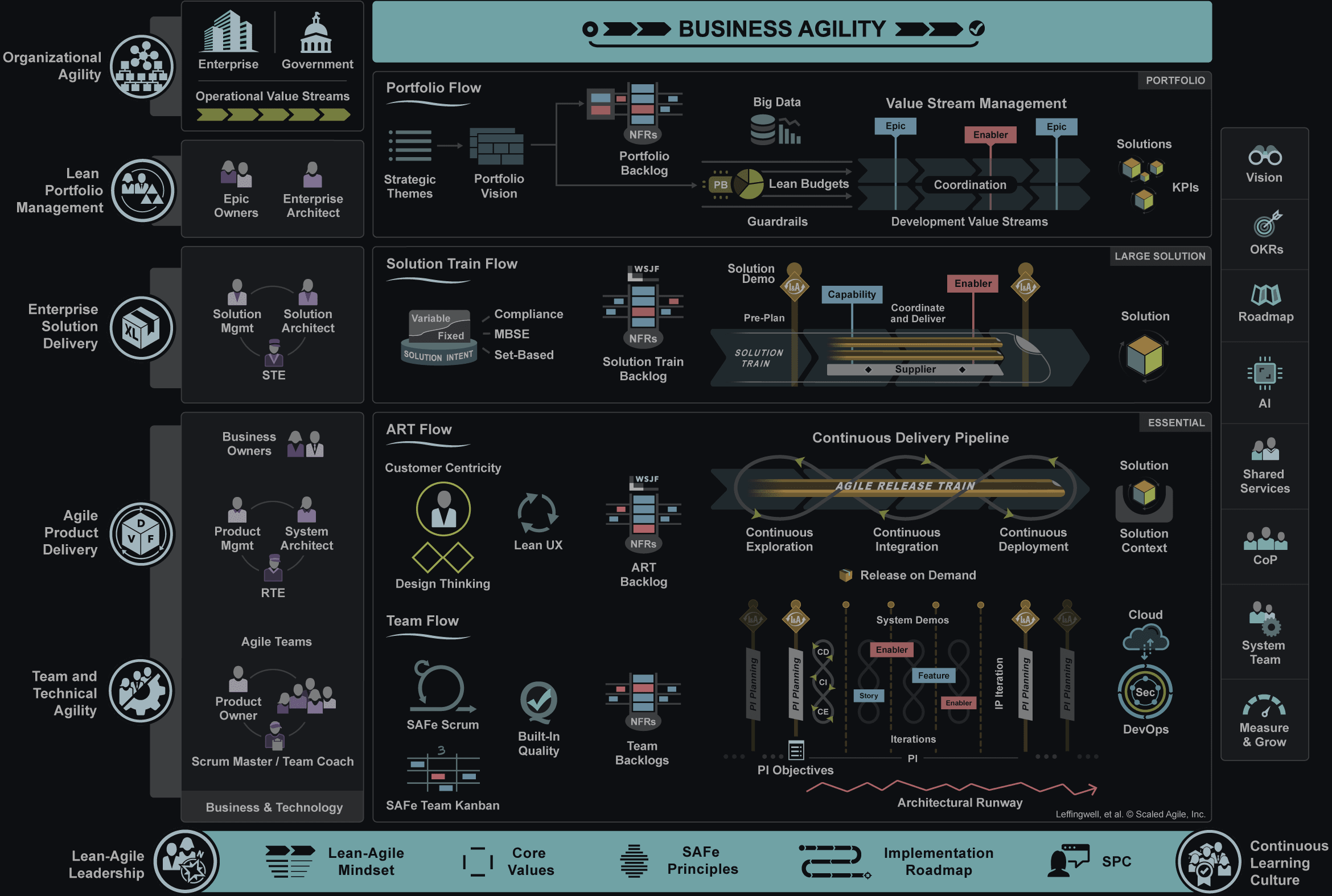
I’m not SAFe-certified. However, as an Agile enthusiast who has scaled engineering teams and delivered complex products, I’ve studied SAFe extensively and found it to be the most …
Read More: Scaled Agile Framework