May 14, 2023
Table of Contents
What Started This
I recently gave a presentation at my company about tech debt - sharing knowledge, techniques, and experiences on how to manage it properly and efficiently. The response convinced me to write this up for a broader audience.

What Is Tech Debt (and What Is Not)
Technical debt is the accumulation of extra work that arises when you intentionally take a shortcut in implementation to achieve a specific goal, or when systems become technically obsolete over time. Like financial debt, you are borrowing against the future for short-term gains.
Common examples: bad naming, poorly structured code, low test coverage, hard coding, compatibility issues, scalability bottlenecks, security gaps.
What is NOT tech debt: inherent complexity, incomplete features, bugs, or performance issues from unexpected load. Not every problem in software is debt - some are just the nature of building complex systems.
How to Spot It
flowchart TD
    A[Warning Signs] --> B[Changes take longer than expected]
    A --> C[Consistently missed deadlines]
    A --> D[Recurring defects in same areas]
    A --> E[High maintenance costs]
    A --> F[System feels bloated]
    B & C & D & E & F --> G[Investigate: Is it tech debt?]
    G -->|Intentional shortcut or obsolescence| H[Yes - Track it]
    G -->|Bug or inherent complexity| I[No - Different approach needed]
Proactive identification through code review and static analysis tools catches debt before it compounds. In my teams, I have made it a practice to tag tech debt items during code review - creating visibility before they become emergencies.
Why It Matters

| Impact | How It Hurts |
|---|---|
| Increased maintenance costs | Shortcuts require more work to fix later, compounding over time |
| Longer development times | Teams spend more time working around debt than building features |
| Scalability issues | Architecture shortcuts break under growth |
| Lost sales opportunities | Customers choose more reliable competitors |
| Decreased confidence | Developers and stakeholders lose faith in the system |
| Security vulnerabilities | Shortcuts in security create exploitable gaps |
| Brand damage | Outages and data breaches erode customer trust |
When Debt Is Acceptable
Not all tech debt is bad. Strategic debt - taken intentionally with a plan to repay - is a legitimate business tool:
- Proof of concept - Testing feasibility before investing in production quality
- MVP launches - Getting to market fast to validate demand
- Rapid prototyping - Quick experiments to test hypotheses
- Resource constraints - Pragmatic trade-offs when capacity is limited
- Strategic experimentation - Testing new technologies or business models
The key distinction: intentional debt with a repayment plan versus accidental debt from negligence.
Getting Stakeholder Buy-In
This is where most engineers fail. They explain tech debt in technical jargon that stakeholders do not understand or care about.
The approach that works:
- Speak their language. Never say “we need to refactor the service layer.” Say “this change will reduce our deployment time from 2 hours to 15 minutes, freeing the team to ship features 3x faster.”
- Quantify the impact. “This tech debt costs us 8 engineer-hours per week in workarounds - that is $20K/month in lost productivity.”
- Frame it as investment, not cost. “Spending 2 sprints on this now saves us from a 6-week outage recovery later.”
- Prioritize by business value. Show the ROI of addressing each debt item alongside feature work.
How to Manage It
A comprehensive approach that I have seen work across multiple organizations:
- Track everything. Maintain a tech debt register. Items you do not track silently compound.
- Communicate roadmaps. Share the repayment plan with stakeholders - transparency builds trust.
- Automate quality gates. CI/CD pipelines with linting, static analysis, and test coverage thresholds prevent new debt from entering.
- Invest in test coverage. Not just code coverage - meaningful test coverage that catches regressions.
- Practice continuous improvement. Dedicate a fixed percentage of each sprint to debt reduction.
- Follow established practices:
- Clean Code - Readable, maintainable code following SOLID principles
- Clean Architecture - Modular, layered systems with clear boundaries
- The 12-Factor App - Best practices for cloud-native, maintainable applications
Key Takeaways
- Tech debt is a financial concept, not a technical one. Communicate it in terms of business impact - cost, risk, velocity.
- Not all debt is bad. Strategic, intentional debt with a repayment plan is a legitimate tool. Accidental debt from negligence is a liability.
- Prevention beats cure. Clean code practices, code review, and automated quality gates are cheaper than retroactive refactoring.
- Track and prioritize. A tech debt register with business-impact scoring keeps the conversation objective and actionable.
- Make it visible. Stakeholders cannot support what they cannot see. Transparency is your most powerful tool for getting buy-in.
Share :
You May Also Like
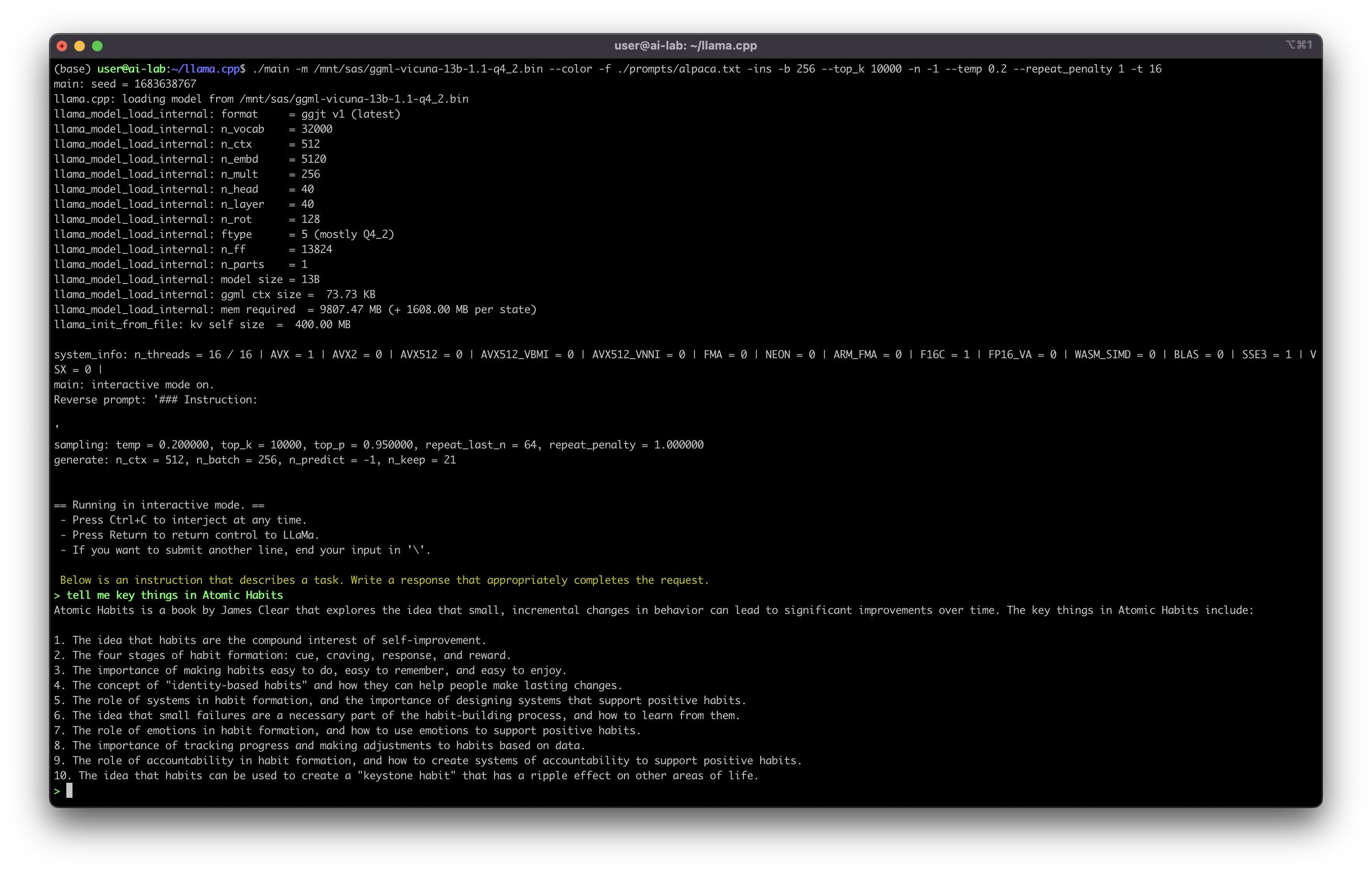
What Can We Do With Self-Hosted ChatGPT
The Journey Begins A few weeks ago, I managed to install a self-hosted version of ChatGPT on my homelab - the LLaMA model, open-sourced by Meta. I started with Alpaca-6B. The speed was acceptable, but …
Read More
The Modern Leader
The False Dichotomy A bad manager sacrifices people for numbers. A good manager sacrifices numbers for people.
Read More