Every few months, a new open-source AI framework captures the collective imagination of the tech community. Right now, that spotlight belongs to OpenClaw. Forums light up with screenshots, YouTube tutorials rack up views, and it feels like everyone and their neighbour is spinning up an instance. The promise is seductive: run your own AI agent, connect it to your tools, own your data.
I run a full AI stack on my homelab - models, agents, workflows, the lot. So when OpenClaw started trending, I did what any self-respecting homelabber would do: I spun it up, stress-tested it, and compared it head-to-head against alternatives. What I found was mixed. This is not a hit piece. It is a reality check for anyone considering OpenClaw as their go-to AI agent framework.
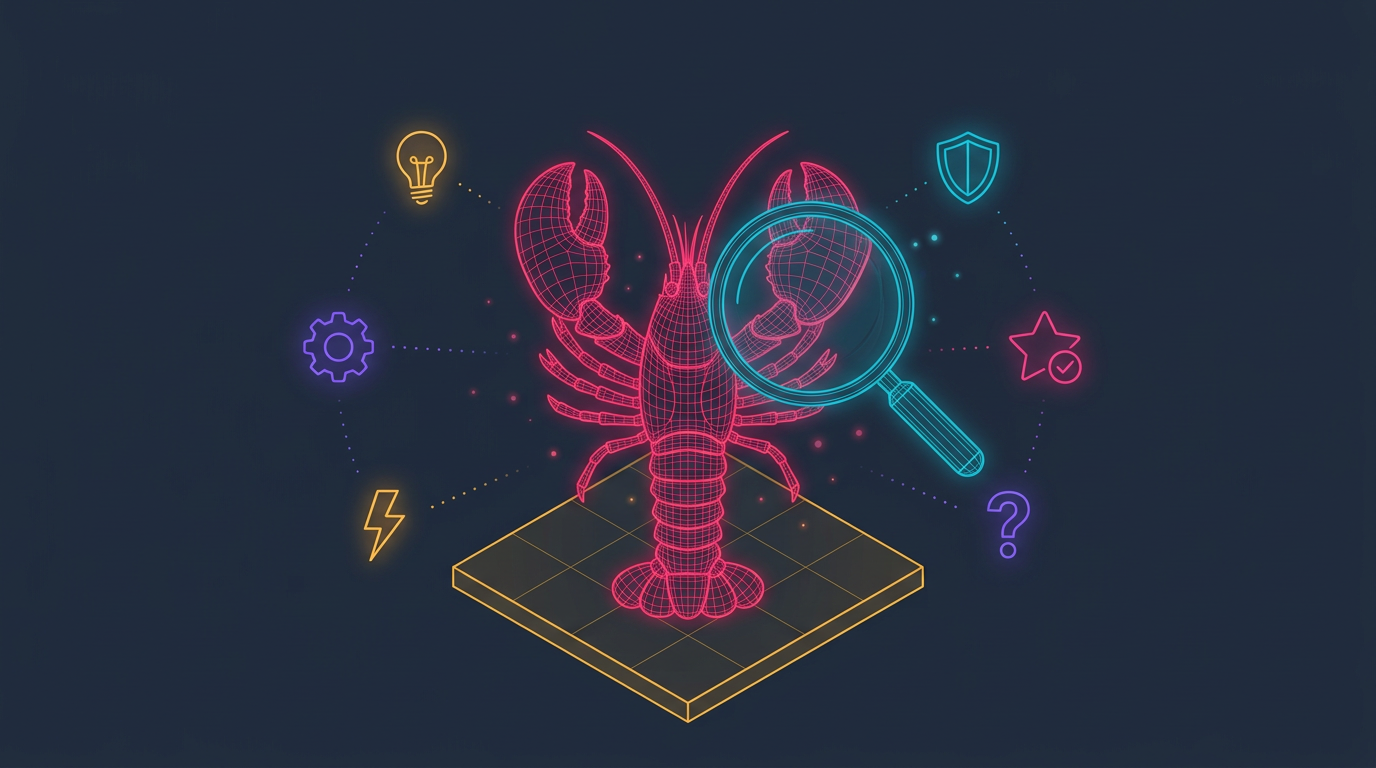
Is OpenClaw Actually Secure?
OpenClaw is secured by default. Full stop. The framework ships with sensible security measures out of the box. The problem is not the software - it is the people running it.
Most users skip every security step the framework provides because they either do not understand it or cannot be bothered. Cast your mind back to the early 2000s. Personal computers shipped with firewalls, antivirus prompts, and update mechanisms, yet millions of people disabled them, clicked through every warning, and ended up riddled with viruses, trojans, and worms. We blamed the computers, but the real issue was a knowledge gap.
The same story is repeating with OpenClaw. The security controls exist. The documentation exists. But when the typical setup guide on YouTube starts with “just disable authentication for easier access,” we end up with thousands of wide-open instances on the internet, and OpenClaw gets the bad reputation instead of the tutorials. But security is only one dimension - what about the actual capabilities?
Does OpenClaw Bring Anything New to the Table?
Here is the part that might surprise people: in terms of raw technical capabilities, OpenClaw introduces nothing new. It does not ship a novel model architecture, a breakthrough inference engine, or a proprietary reasoning framework.
What it does do is connect consumer touch points to existing AI models and make the interaction more seamless for non-technical users. Think of it as a polished front door to the same house. If your goal is to give less technical people a friendlier way to interact with LLMs, OpenClaw serves that purpose well. But if you are looking for a genuine capability leap, you will not find it here. And the privacy story is more nuanced than most users realise.
How Private Is “Self-Hosted” Really?
This is where things get genuinely concerning.
On the surface, OpenClaw looks private. You are running your own instance on your own VPS or local machine. The UI is yours, the configuration is yours, the data appears to stay with you. But it is not private at all if you do not know how to manage data privacy.
| Usage Pattern | What Most Users Think | What Actually Happens |
|---|---|---|
| Paid API providers (Claude, OpenAI, Gemini) | “My data stays with me” | Every prompt and response flows through their infrastructure |
| Free API providers | “It’s free and private” | Your data is the product - prompts captured as training data |
| Self-hosted LLMs | “Fully private” | Truly private - but requires significant hardware investment |
The oldest rule in tech applies: there is no free lunch. If you are not paying for the product, your data is the product. Free API and LLM providers capture your prompts and responses to improve someone else’s model. You just handed over your “private” conversations.
Running OpenClaw locally does not automatically mean your data stays local. It depends entirely on which backends you connect it to and whether you understand the data flow end to end. Speaking of costs that people do not expect…
What Does OpenClaw Actually Cost?
“How much does it cost?” is the question everyone asks, and the honest answer is: it depends entirely on the approach you take.
| Approach | What You Pay | What It Really Costs |
|---|---|---|
| Free API services | $0 | Your data - used for training by the providers |
| Top-tier paid APIs (Claude, OpenAI, Gemini) | $10s to $100s per day | OPEX that scales with usage and can spike unpredictably |
| Budget paid APIs (good enough quality) | $10-$20/month to $10-$20/day | More predictable OPEX, acceptable for lighter workloads |
| Self-hosted LLMs (high-end hardware) | $5k-$50k upfront (CAPEX) | Plus |
| Self-hosted LLMs (budget hardware) | $3k-$5k upfront (CAPEX) | Plus |
The trap I see most people fall into is starting with “free” tiers, getting hooked on the workflow, and then discovering the real costs only after they are dependent on it. Whether that cost is denominated in dollars or in your data, nothing about OpenClaw is truly free. But beyond the security-privacy-cost trifecta, there are real technical pain points.
Where Does OpenClaw Fall Short Day-to-Day?
| Issue | Why It Matters |
|---|---|
| Bloat | Framework tries to be everything to everyone - codebase and runtime footprint heavier than necessary |
| No native MCP support | In an era where MCP is becoming the standard for AI-tool integration, OpenClaw does not support it natively |
| Broken browser tool | Does not respect the indicated browser profile - fundamentally breaks authenticated session workflows |
| Poor search tool support | Only built-in search is Brave; everything else requires additional paid API services |
| Half-baked memory management | Persistent memory exists but is neither reliable nor sophisticated enough for production use |
| Single chat session | One session for all interactions including heartbeats - no parallel threads, no conversation management |
These are not minor inconveniences. For anyone running serious AI agent workflows, the MCP gap alone is a deal-breaker given where the ecosystem is heading. So what is the alternative?
What Did I Choose Instead?
After evaluating multiple frameworks on my homelab, I landed on Agent Zero - and it has been a noticeably better experience.
| Capability | OpenClaw | Agent Zero |
|---|---|---|
| MCP Support | Not native, requires workarounds | Native, out of the box |
| Browser Tool | Broken - ignores browser profiles | Works correctly with authenticated sessions |
| Memory Management | Half-baked, unreliable | Native RAG pipeline, reliable |
| Multi-Chat | Single session only | Multiple parallel conversations |
| Search Integration | Brave only (or paid APIs) | Built-in SearxNG, extensible via MCP servers |
| Agent Transparency | Limited visibility | Full hierarchy view with sub-agents and tool calls |
| Design Philosophy | Bloated, unorganized features | Curated, built by actual users |
The transparent agent hierarchy is what personally won me over. The UI shows you exactly what is happening: which sub-agents are active, what tool calls are being made, and how the work is being orchestrated. No black boxes.
Key Takeaways
- Have clear use cases before picking a framework. The best framework is the one that addresses your specific needs and delivers measurable value for your situation. Do not pick a tool because it is trending.
- Privacy is not binary. “Self-hosted” does not mean “private” unless you control the entire data path, including which API backends you connect to.
- Free has a price. Whether denominated in dollars or your data, no AI framework usage is truly free. Understand the full cost before committing.
- Frameworks are means, not ends. A framework is good if - and only if - it helps you address your use cases. If it introduces more friction than it removes, it is the wrong tool.
- This is my personal choice. Pick the framework that best fits your situation. Evaluate honestly. Test rigorously. And do not let hype make the decision for you.
Before you commit to any AI agent framework, make a list of your top 5 non-negotiable requirements. Then install the framework, test each requirement specifically, and document what works and what does not. The gap between marketing promises and real-world behaviour is where the hard truth lives.
You May Also Like
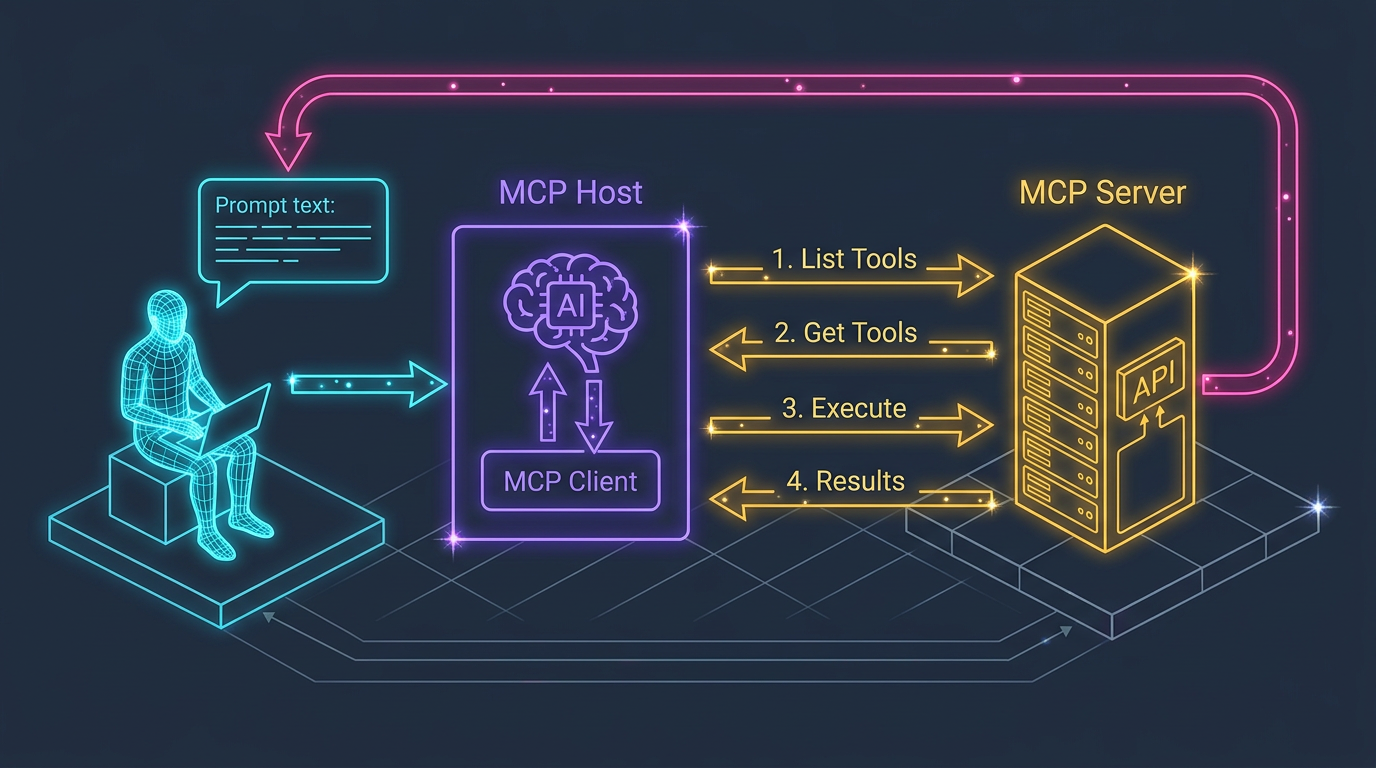
MCP Explained from Inside Out
I was running a local AI agent on my homelab when I hit a familiar wall. I asked it to summarize a file from my NAS. It could not see the file. I asked it to search the web for the latest Gemini …
Read More: MCP Explained from Inside Out
Tech Debt: From a Technical Jargon to Real-World Impacts
I recently gave a presentation at my company about tech debt - sharing knowledge, techniques, and experiences on how to manage it properly and efficiently. The response convinced me to write this up …
Read More: Tech Debt: From a Technical Jargon to Real-World Impacts